 Image 1 of 4
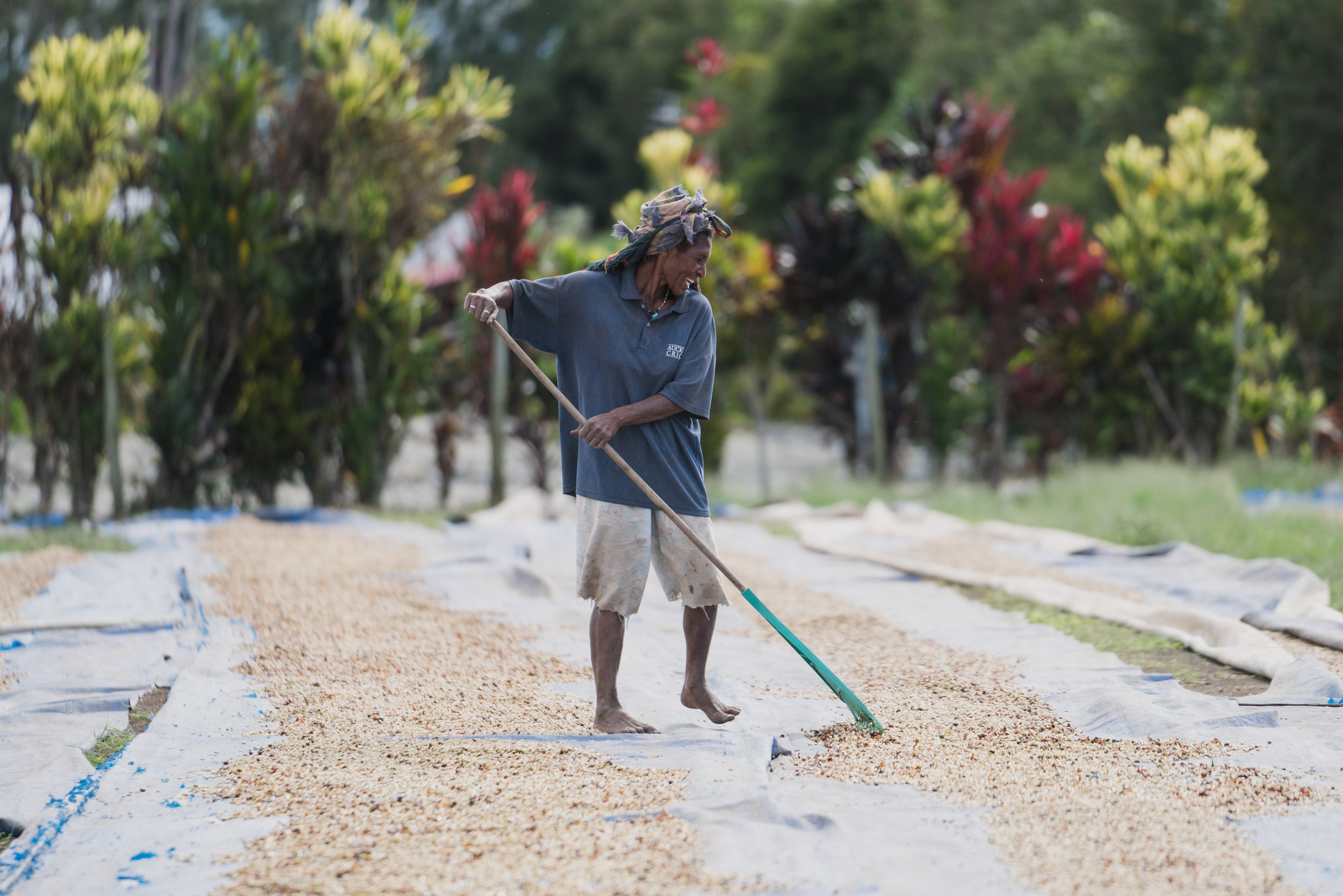 Image 2 of 4
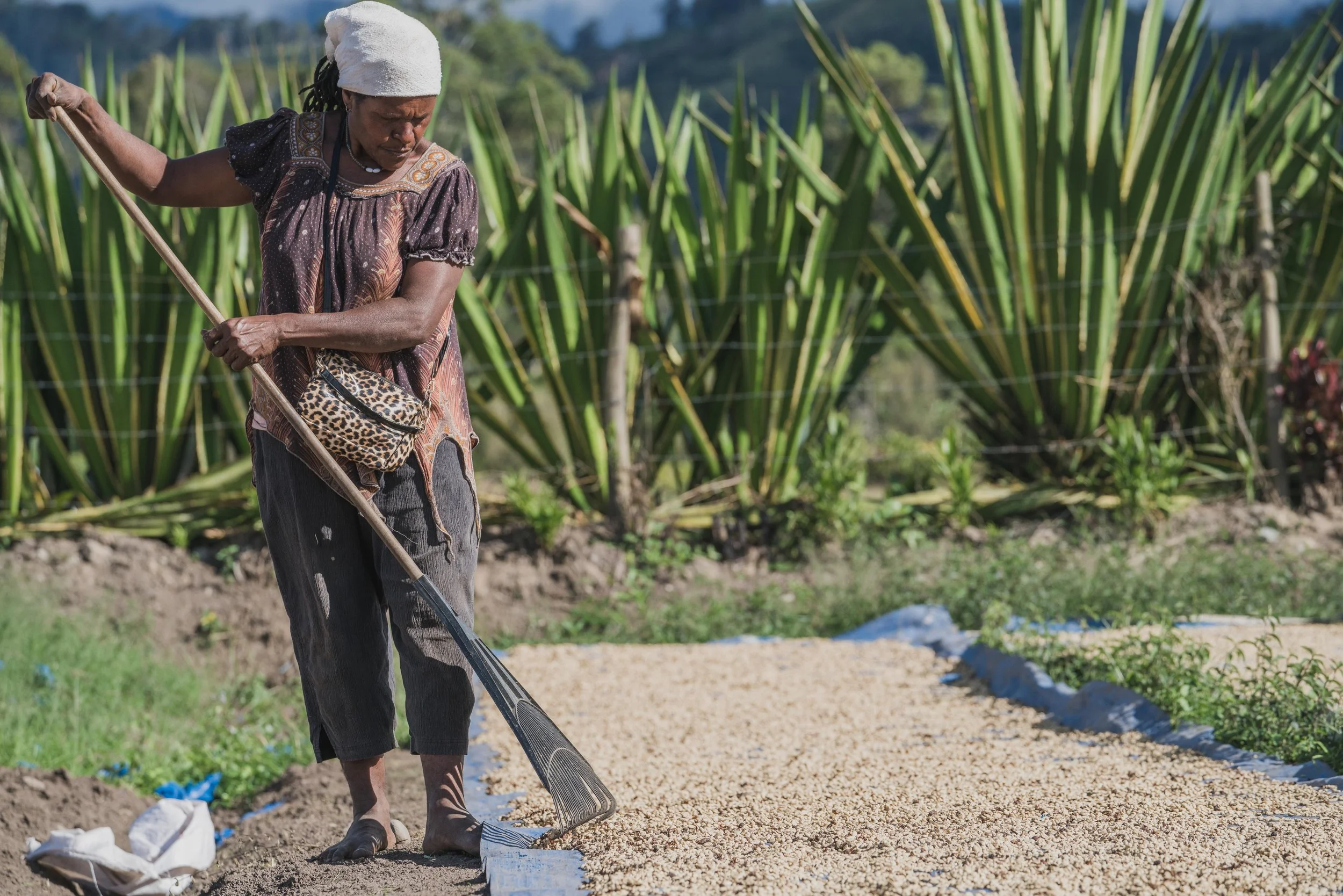 Image 3 of 4
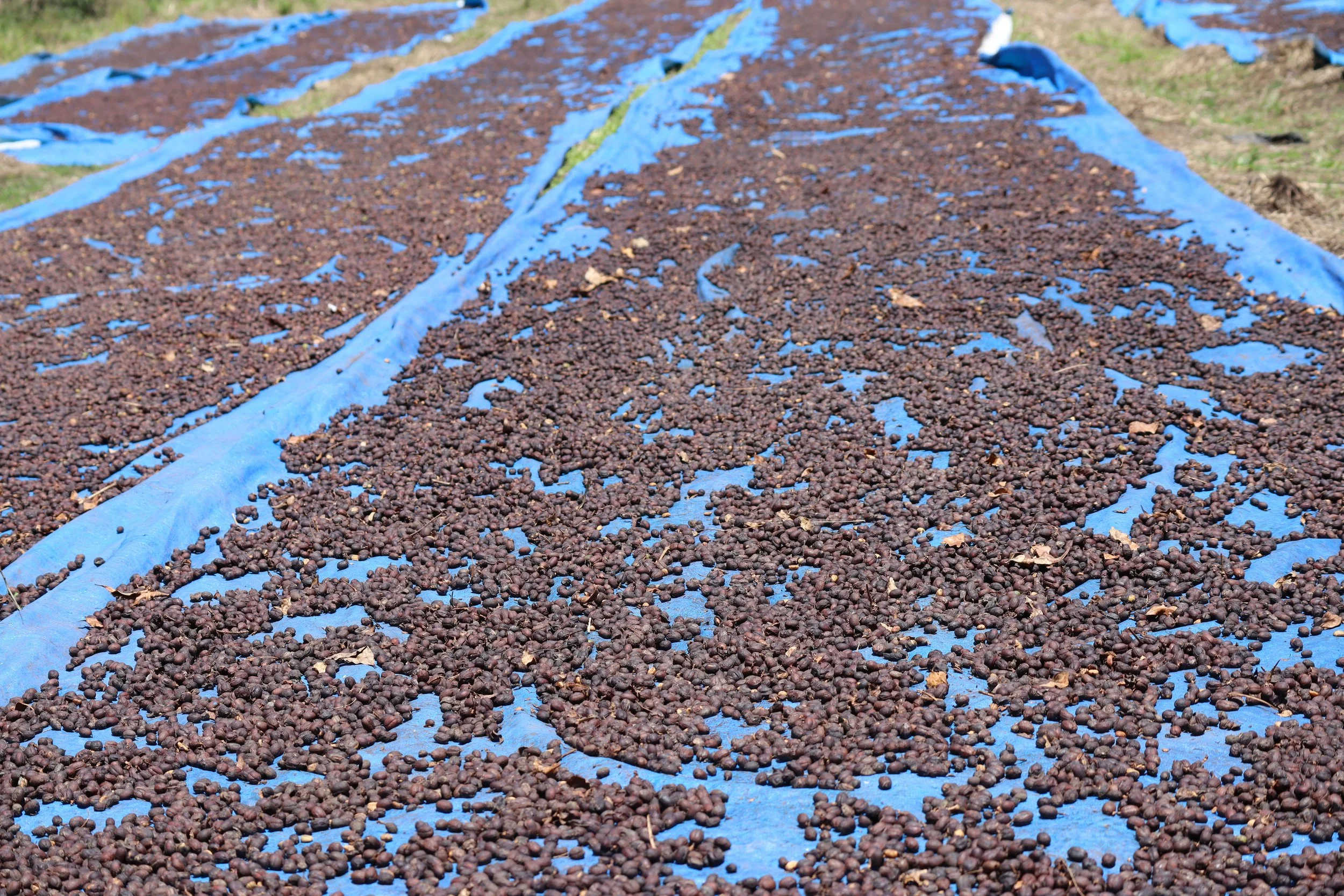 Image 4 of 4
Farm Kindeng Mill
Process Natural
Variety Arusha, Bourbon, Typica
Reigon Western Highlands
Altitude 1520-1770 MASL
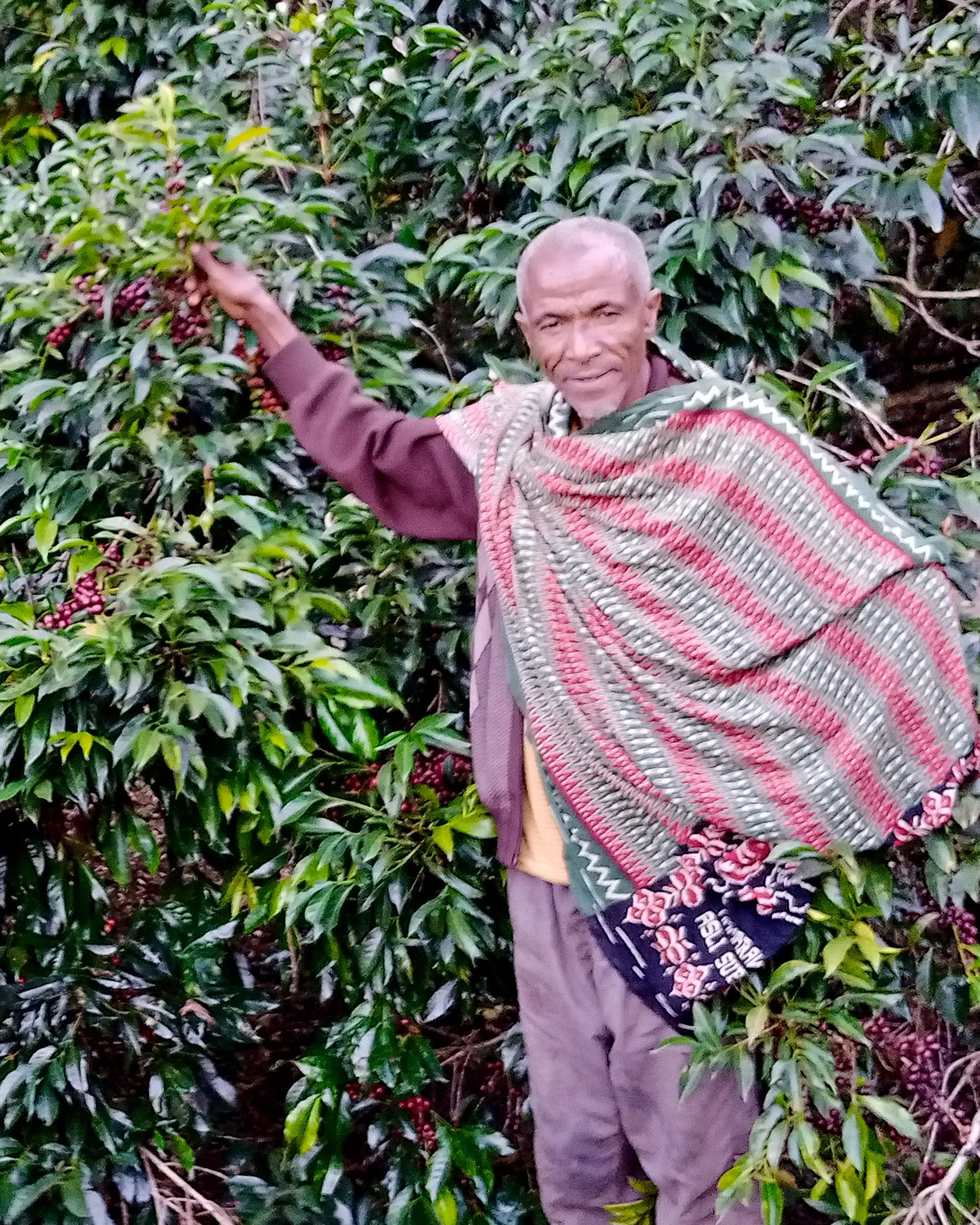
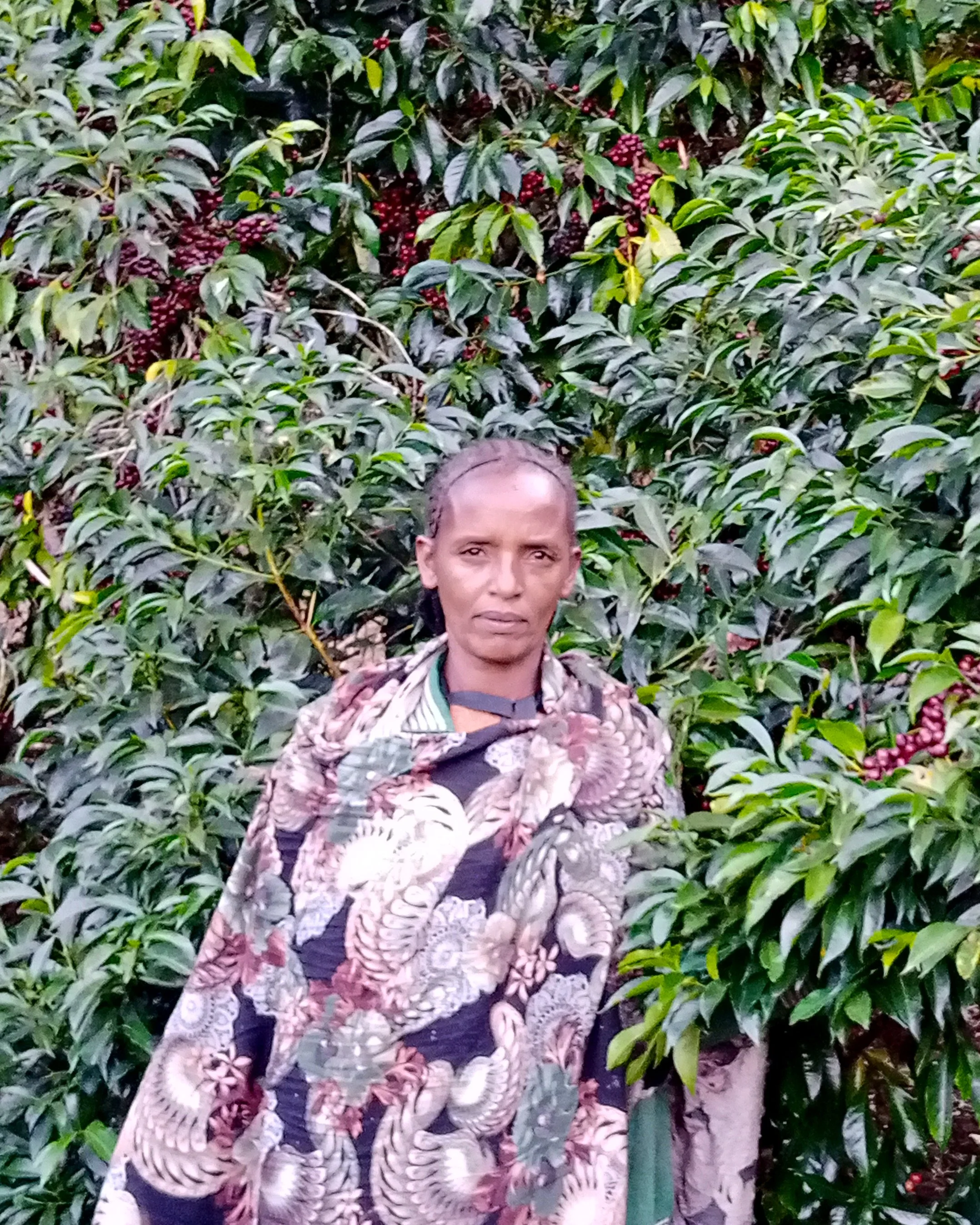
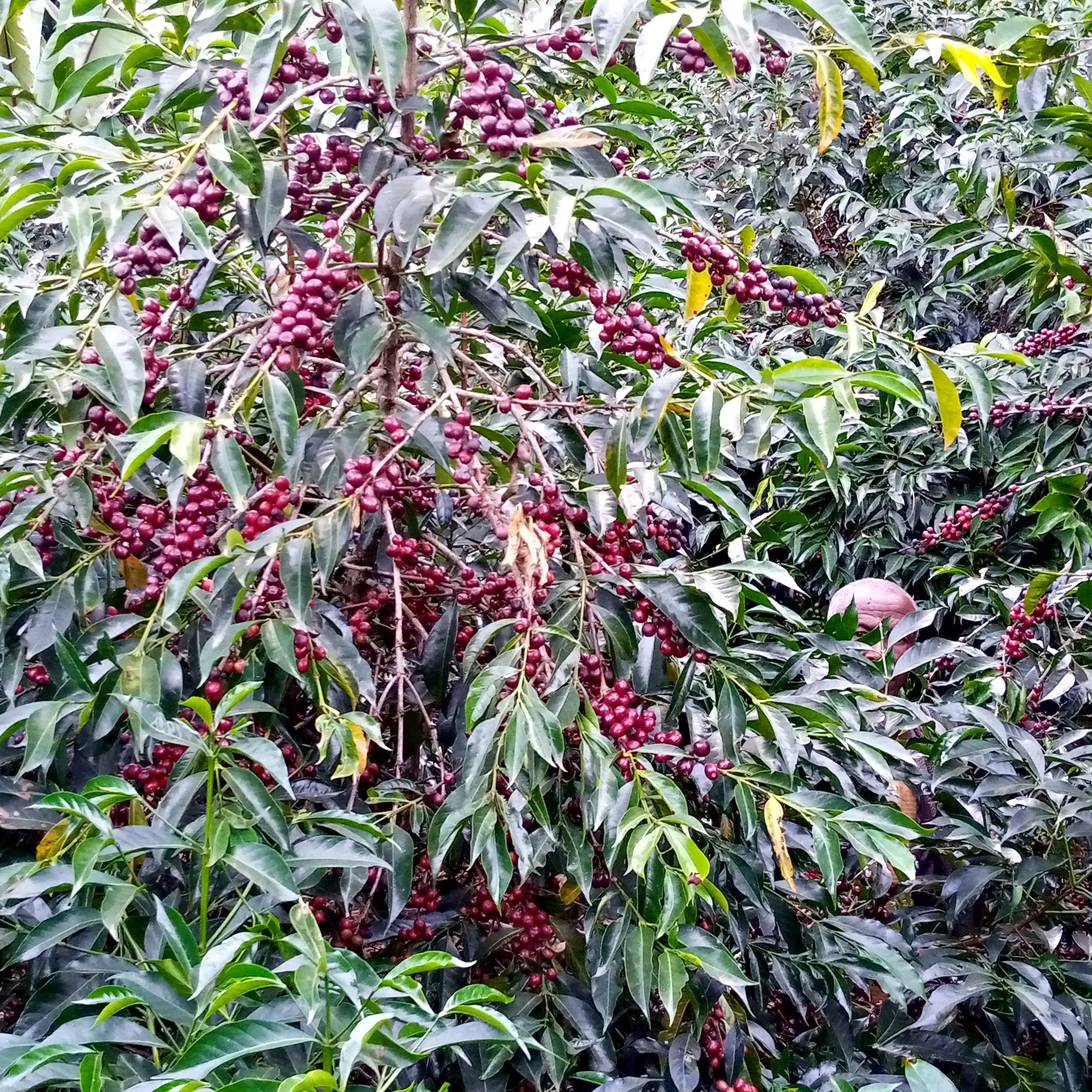
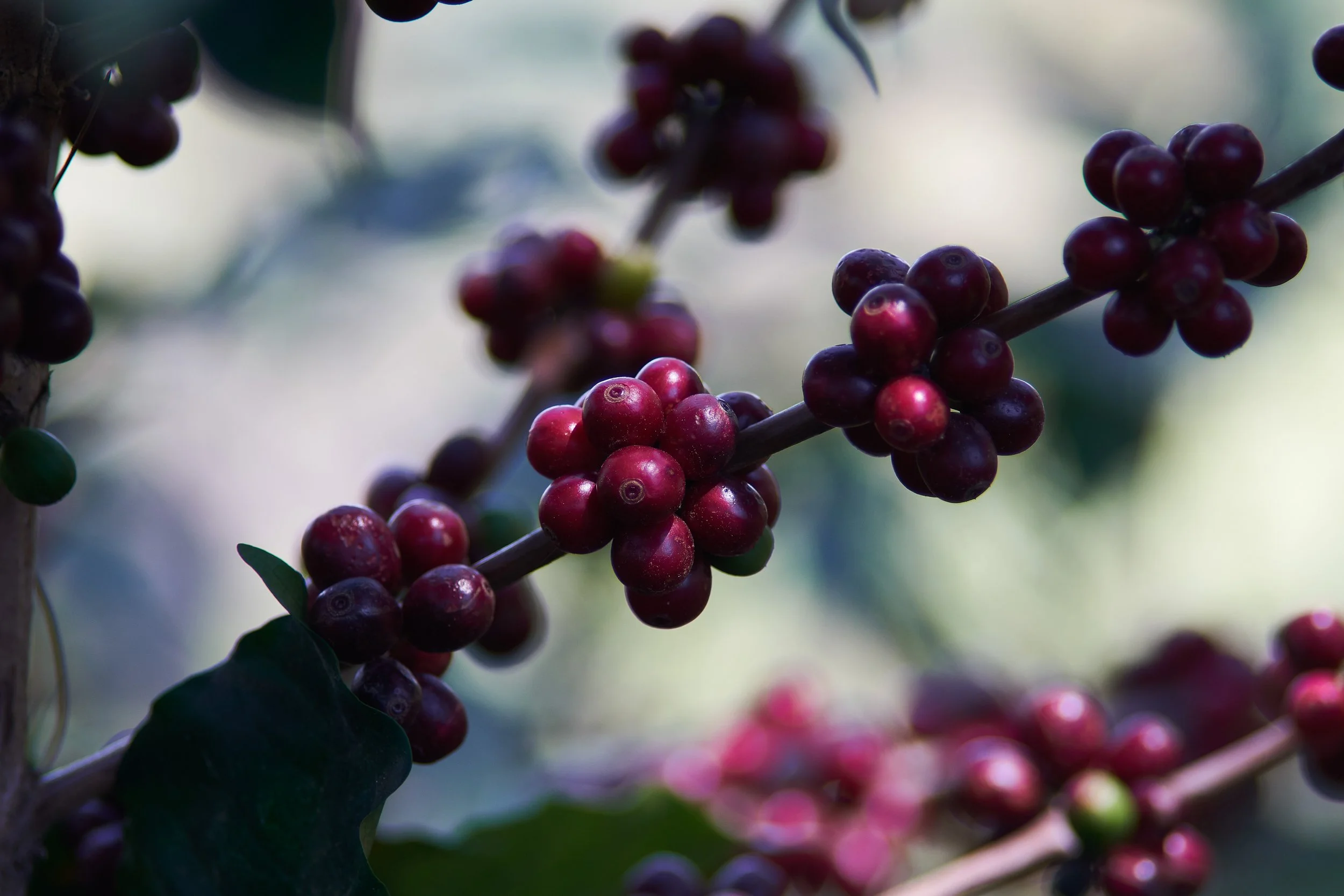
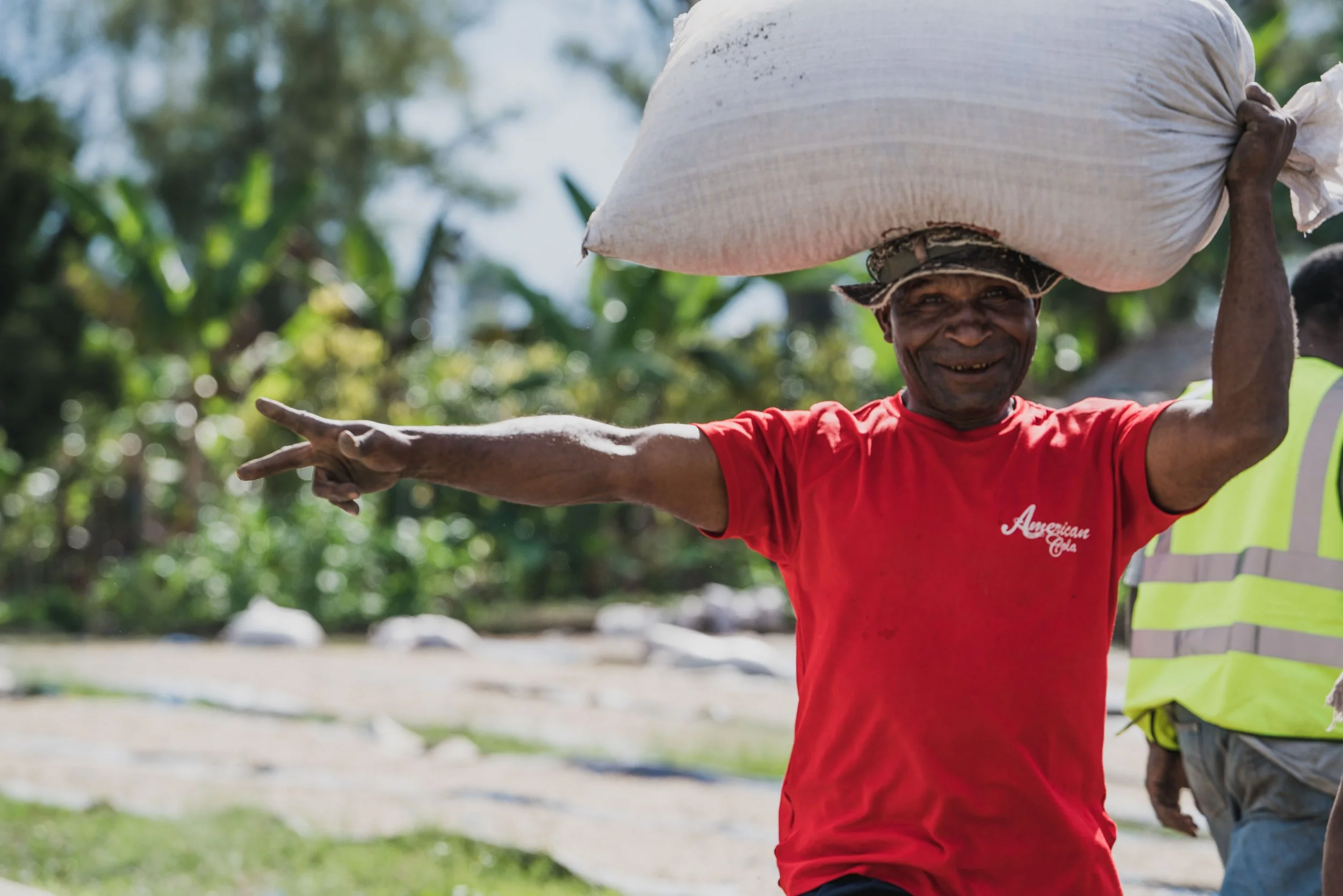
From the heart of Jiwaka Province in Papua New Guinea, this coffee comes from around 1500 smallholder farms across the Kindeng and Aruba municipalities. Each farm, averaging 1-2 hectares, cultivates coffee in sandy loam and clay soils under shaded conditions alongside subsistence crops.
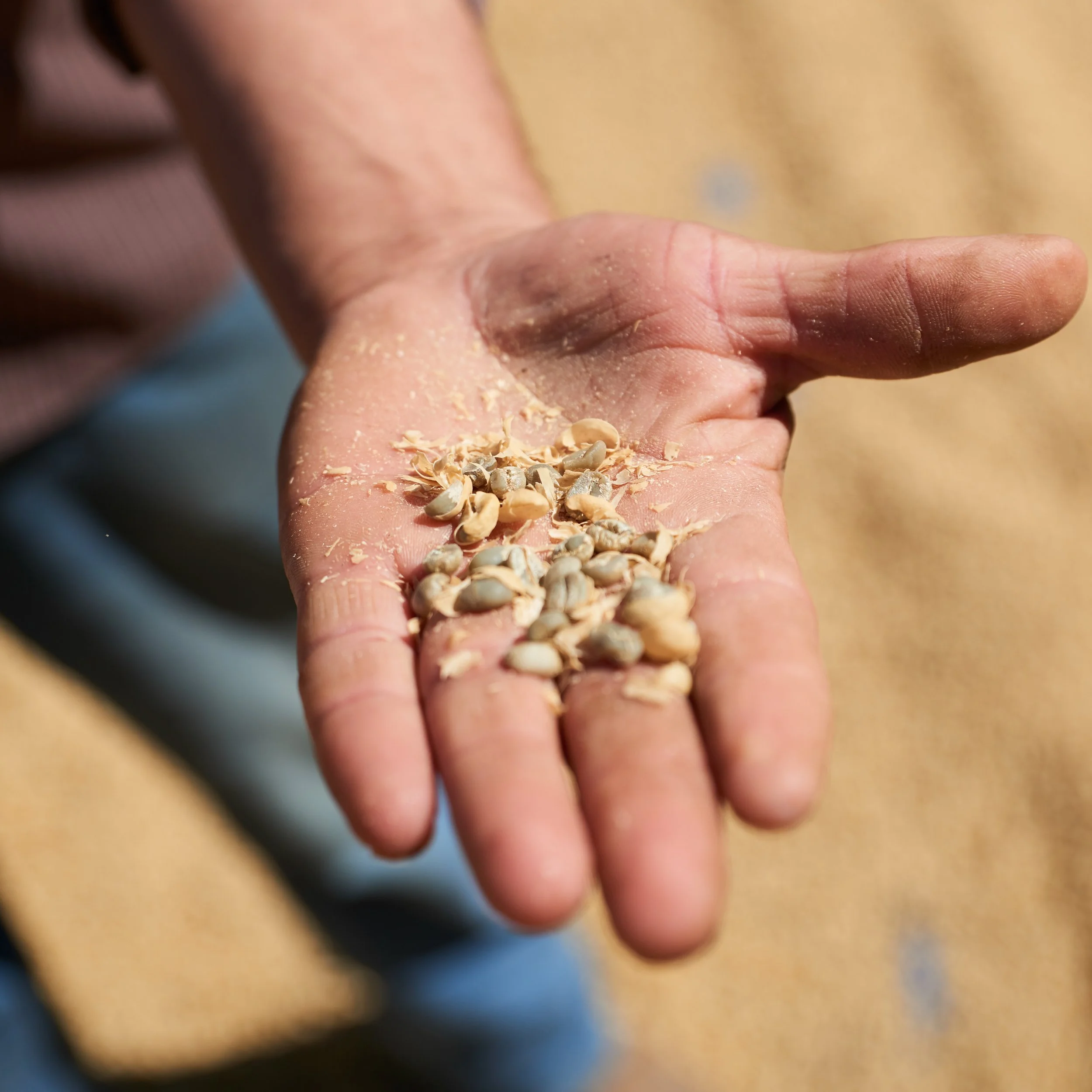
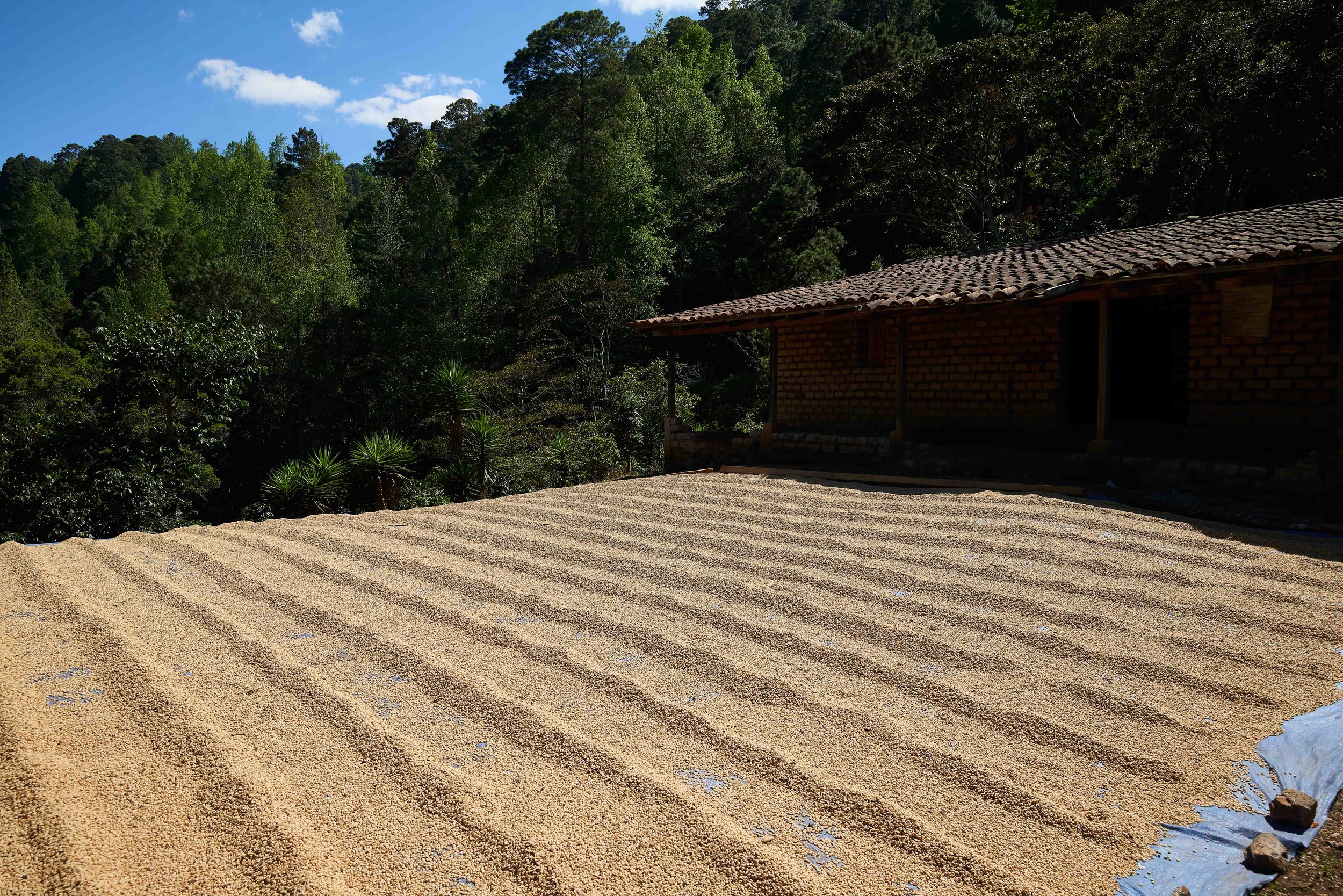
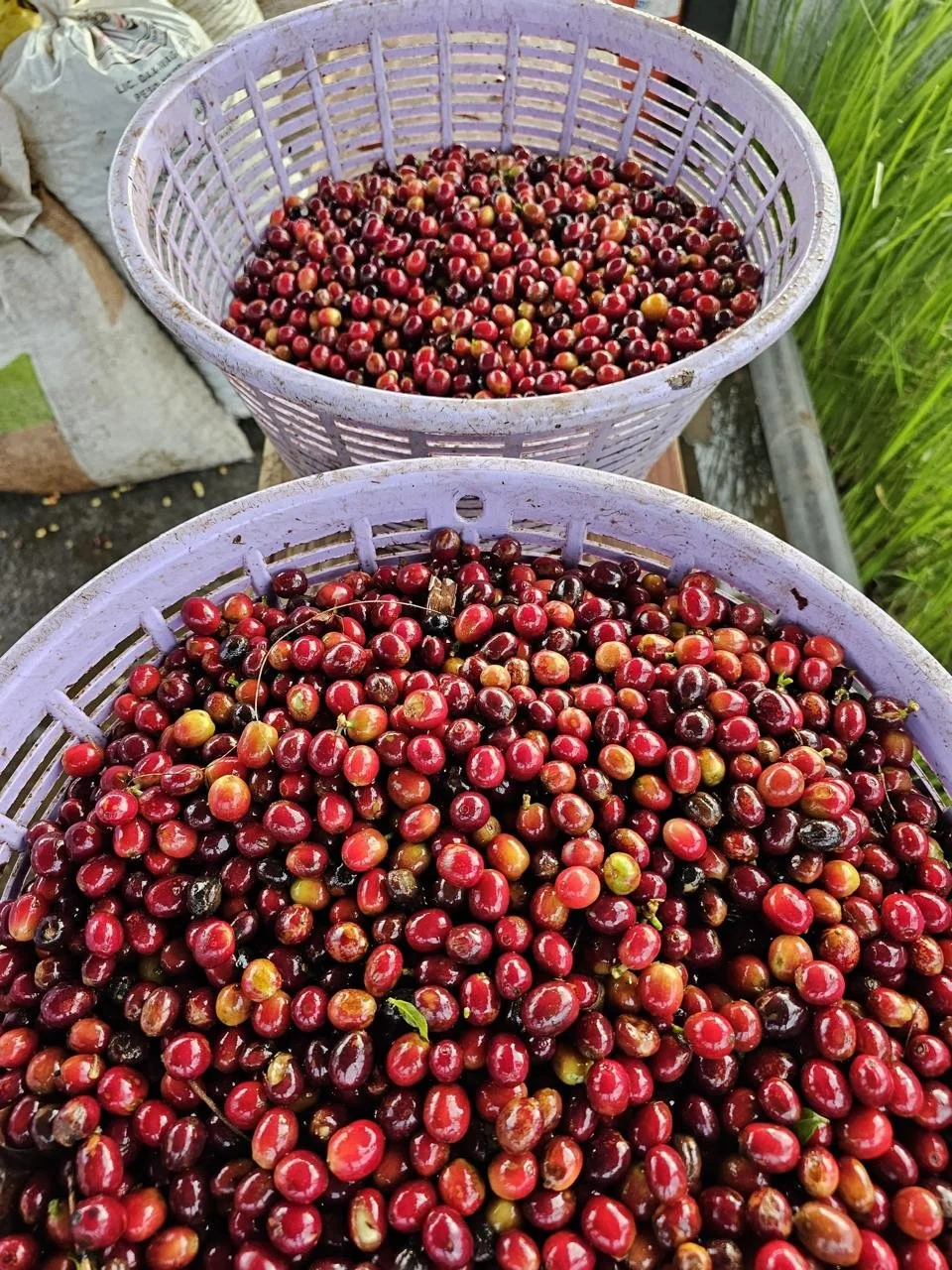
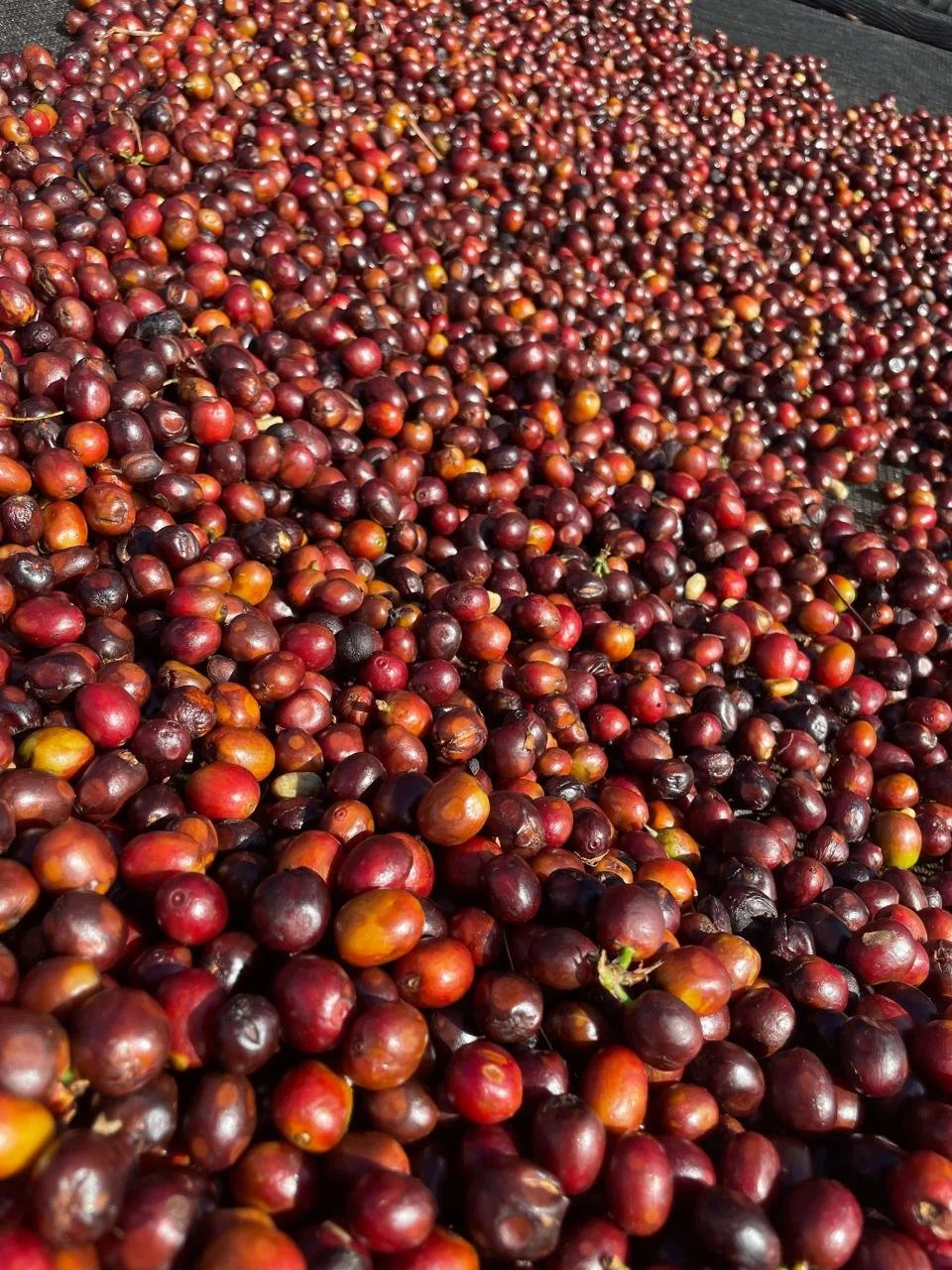
Once the cherries arrive at the Kindeng Dry Mill, are carefully processed and dried on raised beds and canvasses for about a month. During this time, the beans are turned multiple times daily to achieve an even, consistent moisture level. After drying, the coffee is hulled, milled and stored in cool, dry conditions before export.
Coffee is central to the economy of the Western Highlands, making up roughly 20% of the country’s total production. Generational farmers cultivate their coffee in the region’s dramatic landscape of mountains and river valleys, contributing to the unique flavour profile that specialty coffee from the Waugh Valley are becoming known for
Community select lots are sourced from larger collections of coffee within a single. Community, offering elevated quality and greater traceability. By working closely with these smallholder producers, we are able to curate day lots and blend them to highlight the best characteristics of the region.
Cup notes: Toffee, jammy papaya, and cooked melon with mild cocoa flavours. Blanced acidity and fruit like sweetness.
Farm Kindeng Mill
Process Natural
Variety Arusha, Bourbon, Typica
Reigon Western Highlands
Altitude 1520-1770 MASL
From the heart of Jiwaka Province in Papua New Guinea, this coffee comes from around 1500 smallholder farms across the Kindeng and Aruba municipalities. Each farm, averaging 1-2 hectares, cultivates coffee in sandy loam and clay soils under shaded conditions alongside subsistence crops.
Once the cherries arrive at the Kindeng Dry Mill, are carefully processed and dried on raised beds and canvasses for about a month. During this time, the beans are turned multiple times daily to achieve an even, consistent moisture level. After drying, the coffee is hulled, milled and stored in cool, dry conditions before export.
Coffee is central to the economy of the Western Highlands, making up roughly 20% of the country’s total production. Generational farmers cultivate their coffee in the region’s dramatic landscape of mountains and river valleys, contributing to the unique flavour profile that specialty coffee from the Waugh Valley are becoming known for
Community select lots are sourced from larger collections of coffee within a single. Community, offering elevated quality and greater traceability. By working closely with these smallholder producers, we are able to curate day lots and blend them to highlight the best characteristics of the region.
Cup notes: Toffee, jammy papaya, and cooked melon with mild cocoa flavours. Blanced acidity and fruit like sweetness.